Best Time to Visit Ijen Crater [2026 Update]: The Ultimate Insider Guide
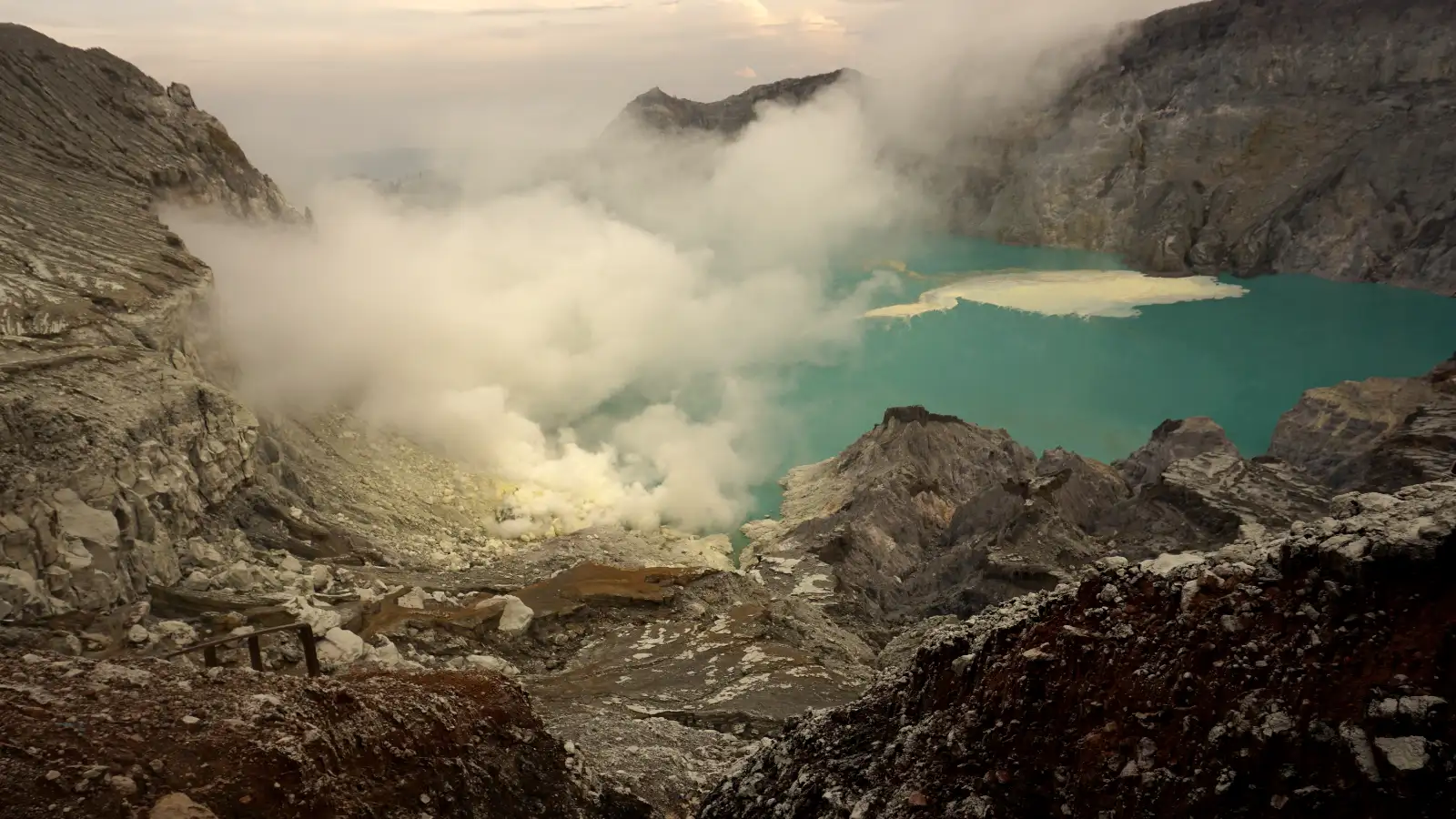
Imagine standing on the edge of a massive volcanic rim at 4:00 AM while the world is still silent. However, the biting cold and the steep, dark trail often catch travelers off guard. Therefore, knowing exactly when to go is the difference between a life-changing view and a face full of thick fog.
Specifically, the best time to visit Ijen Crater is during the dry season, which runs from April to October. During these months, the trails are safer and the visibility is significantly higher. You should check current availability to ensure you grab a spot during this peak window.
Author Expertise
Written by the Ijen Expedition lead guides, who have summited this volcano over 500 times. We live at the base of the mountain and track the weather every hour. Our data comes from direct daily experience on the crater rim.
What You Need to Know
💡 Best Months: July to September offer the clearest skies and most stable conditions.
💡 Avoid: Weekends and local holidays, as the crowds can become overwhelming on the narrow paths.
💡 Action: You can reserve your local guide now to guarantee a safe ascent regardless of the season.
In This Guide
• Weather and Seasons: When to Go
• The Blue Fire Status and Safety Updates
• Preparation and Gear Essentials
• How to Beat the Crowds
• Frequently Asked Questions
Weather and Seasons: The Ideal Window
Ultimately, East Java operates on two distinct seasons that dictate your trekking experience. First, the dry season brings crisp air and predictable conditions. In contrast, the rainy season turns the volcanic ash into slippery mud.
Moreover, the temperature at the summit can drop significantly even during the hottest months. Consequently, planning your visit requires more than just checking a calendar. You must understand how the local microclimate interacts with the Ijen UNESCO Global Geopark ecosystem.
The Dry Season (April – October)
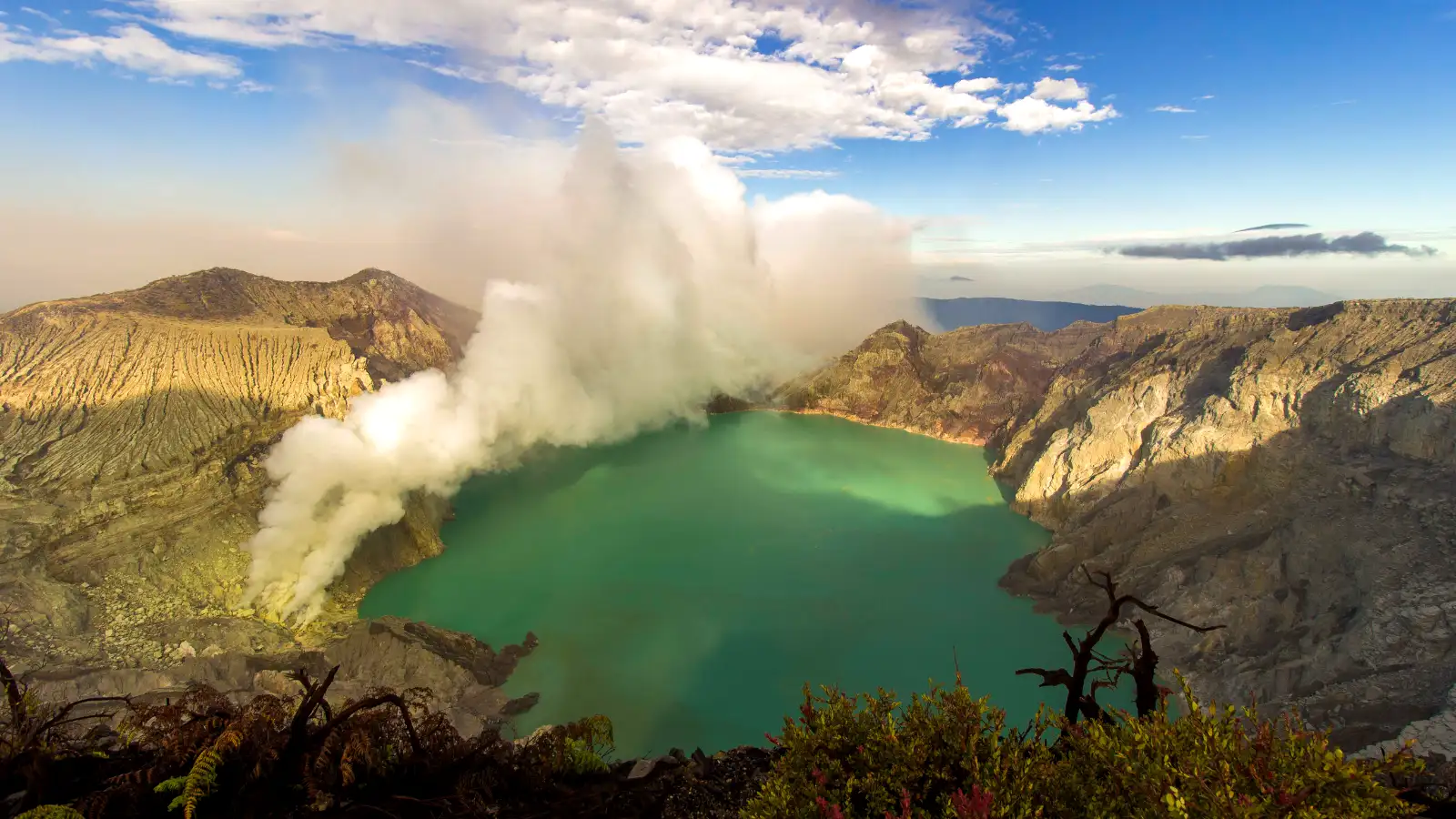
Specifically, this is the gold standard for photographers and sunrise seekers. During this period, the sky remains clear, allowing for that perfect golden hour glow over the acidic lake. Furthermore, the trekking path remains firm and easy to navigate.
Actually, most travelers prefer July and August because the humidity is at its lowest. In addition, you should view our comprehensive package to see how we maximize your time during these peak months.
The Rainy Season (November – March)
However, don’t completely write off the wetter months if you are a budget traveler. Rain usually falls in the afternoon, meaning early morning hikes might still be clear. Nevertheless, the risk of fog obscuring the crater view is much higher.
Additionally, the trail becomes much more challenging when wet. Therefore, high-quality hiking boots are non-negotiable if you choose this time. Specifically, you should check the mount Ijen temperature beforehand to pack appropriate layers.
The Blue Fire and Safety Regulations
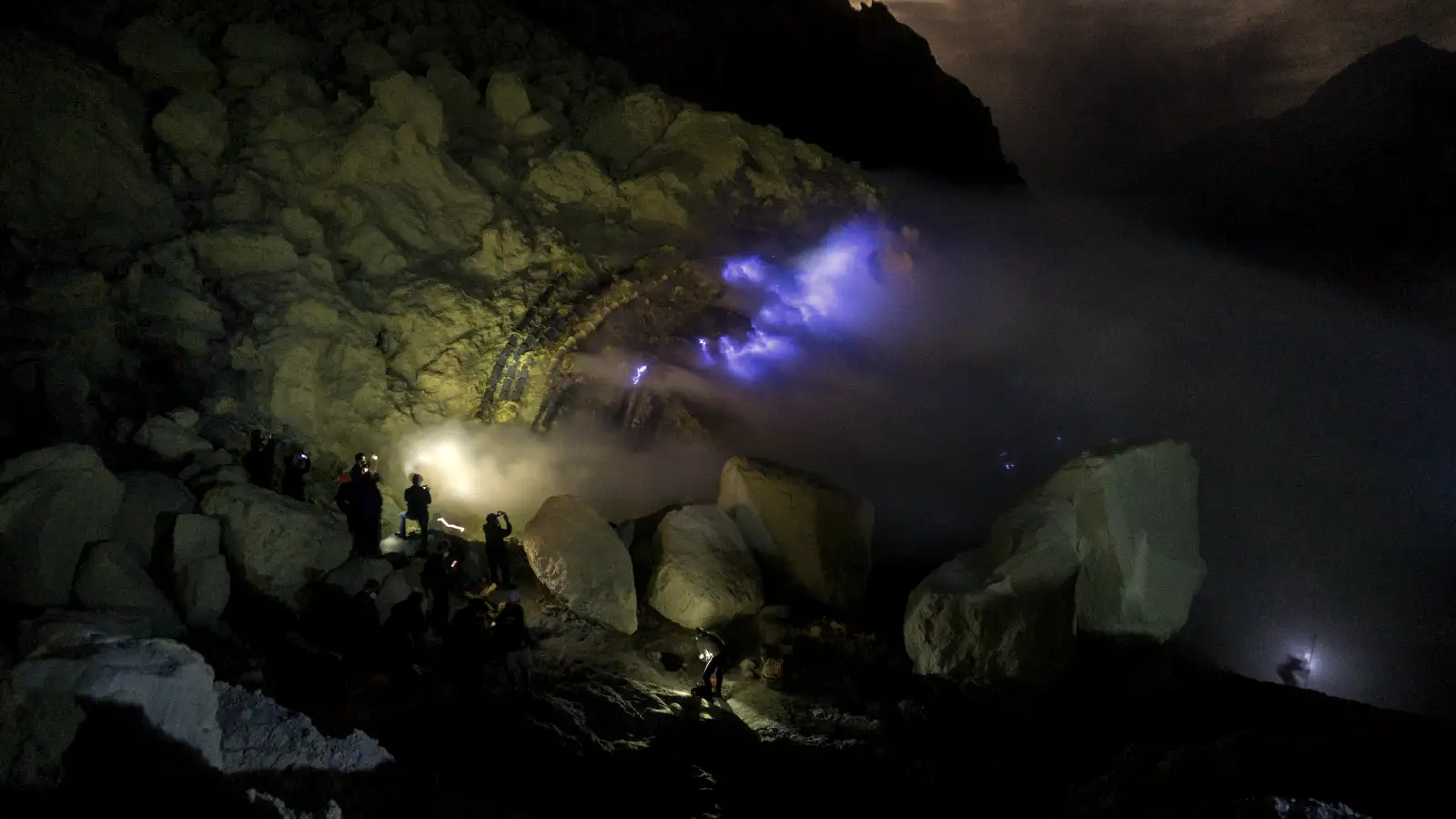
Initially, most people visit Ijen to see the famous electric blue flames dancing among the rocks. But here’s the thing: volcanic activity is never guaranteed. Consequently, safety regulations often change without much warning to protect tourists from toxic gas.
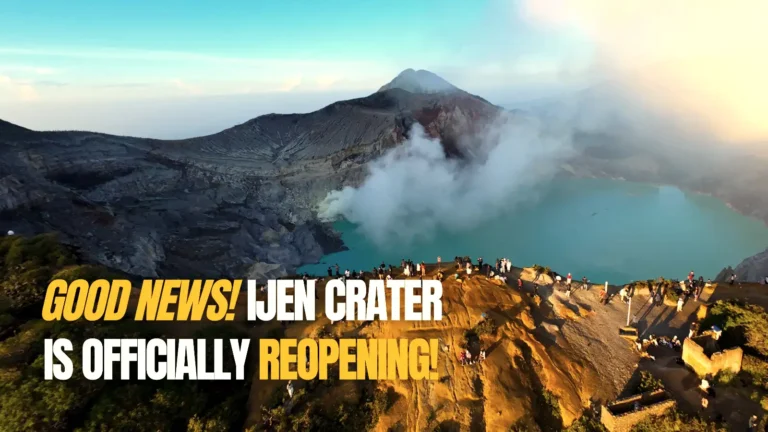
Important Note: Currently, the Blue Fire is still closed to the public due to increased volcanic activity. This means hikers are generally restricted from descending into the crater floor for safety reasons.
The Midnight Hike Logistics
Furthermore, the journey usually begins around 1:00 AM or 2:00 AM from the base camp. In fact, starting this early allows you to reach the rim before the first light hits the horizon. Many people find the darkness adds a sense of mystery to the adventure.
Ultimately, the climb takes about 1.5 to 2 hours for the average person. Moreover, you should book your midnight trek with a professional guide who understands the gas patterns. This ensures you stay on the safe side of the rim at all times.
🔥 Featured Expedition
Experience the magic of East Java with our top-rated trekking team. We handle all the logistics so you can focus on the breathtaking views.
Logistics and Preparation for Your Ijen Trek
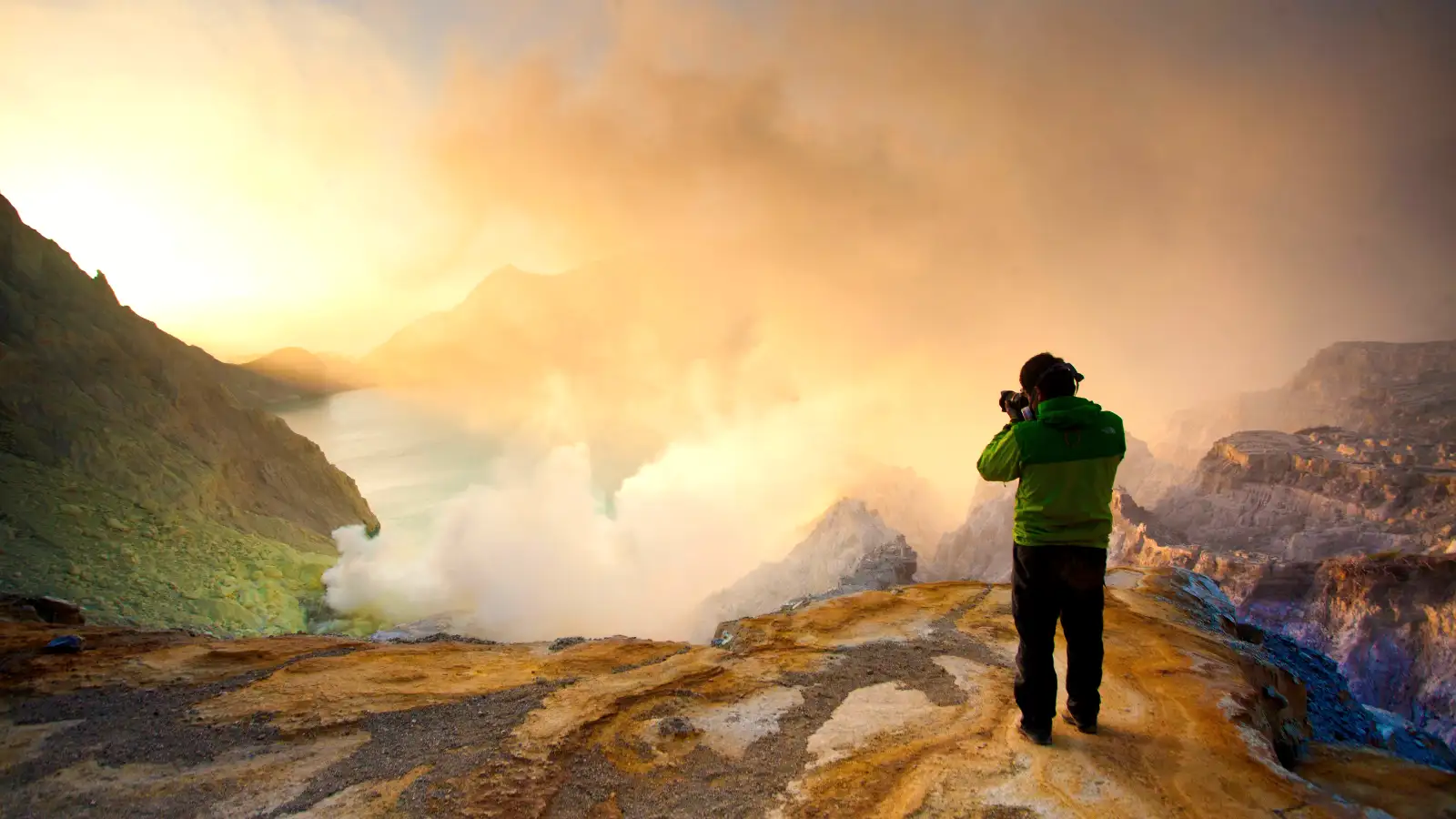
Specifically, your preparation starts with what you wear. Because the mountain is exposed, the wind can be brutal once you reach the summit. For instance, a windbreaker and thermal base layers are essential for staying comfortable.
In addition, you should refer to the list of mandatory equipment for climbing Ijen Crater to avoid being turned away. Specifically, gas masks are required if you plan to spend time near the sulfur vents. Safety should always be your top priority in this volcanic environment.
Transport and Access
Moreover, most travelers arrive from either Bali or Banyuwangi. Therefore, coordinating your transport is the next big step in your planning. Specifically, you should see pricing details for private transfers that pick you up directly from your hotel.
Actually, staying in Banyuwangi allows for an extra hour of sleep before the hike. Meanwhile, coming from Bali requires a long night of travel across the ferry. Many find this exhausting, but the view of the turquoise lake makes every minute worth it.
Entry Fees and Regulations
Specifically, the entrance fees for international tourists are higher on weekends than on weekdays. Furthermore, the park requires all visitors to present a health certificate or undergo a basic check-up. Consequently, you should consult a ijen crater travel guide for the most updated local rules.
| Item | Estimated Cost |
|---|---|
| Weekday Entrance Fee | IDR 150,000 |
| Weekend Entrance Fee | IDR 150,000 |
| Gas Mask Rental | IDR 50,000 |
Avoiding the Crowds: Professional Advice
Indeed, Ijen has become a global bucket-list item. Consequently, the rim can feel like a busy city street during peak season. Therefore, we highly recommend visiting on a Tuesday or Wednesday to avoid the weekend rush.
In addition, consider starting your hike slightly later if you don’t care about the midnight flames. Specifically, arriving at the rim at 6:30 AM means the initial crowd has already begun their descent. This gives you a much more peaceful experience with the lake.
Continue Your Adventure
After conquering Ijen, East Java has so much more to offer for the intrepid soul. Specifically, you might want to consider the classic Bromo and Ijen combo for the ultimate volcanic journey. For those coming from the Island of the Gods, our direct Ijen tour from Bali is the most efficient choice. If you prefer a more rugged experience, the 4-day waterfall and volcano circuit will leave you speechless. Many travelers also enjoy the hassle-free tour from Surabaya for a quick weekend escape. Finally, for those on a budget, our Banyuwangi sharing tour is perfect for meeting fellow backpackers.
Frequently Asked Questions (FAQ)
Q: Is Ijen Crater safe for children?
A: Generally, the hike is suitable for children aged 10 and up who are physically active. However, the sulfur fumes can be strong, so a high-quality gas mask is essential for everyone.
Q: Do I really need a guide for Ijen?
A: While you can technically hike alone, we strongly recommend a guide for safety and local insights. You can secure your spot online to have an expert by your side.
Q: Is the Blue Fire currently visible?
A: Currently, the descent to the Blue Fire is often restricted due to safety protocols. It is vital to check daily updates before you begin your journey.
Q: What should I wear for the hike?
A: Specifically, dress in layers. It is very cold at the start but you will warm up quickly while trekking. A light jacket, gloves, and a beanie are highly recommended.
Q: Can I visit Ijen if I have asthma?
A: We generally advise against it due to the sulfur gas. If you choose to go, you must wear a professional-grade respirator and stay on the upper rim away from the smoke.
Ready to Witness the Crater Lake?
Don’t leave your Ijen adventure to chance. Book with the local experts who know every trail and weather pattern.