The Ultimate Ijen Crater Travel Guide 2026: Blue Fire & Expert Hiking Tips
Imagine standing on the edge of a colossal volcanic cauldron at 2:00 AM, surrounded by swirling sulfur clouds and the ghostly glow of electric blue flames. For most travelers, the thought of waking up at midnight to trek up a steep mountain in freezing temperatures sounds like a nightmare. However, the reality of witnessing one of Nature’s rarest spectacles makes every shivering step worth the effort.
In addition, navigating the logistics of East Java can be notoriously difficult, from dodging pushy scammers to securing reliable transportation for your midnight trek. Therefore, we have crafted this comprehensive guide to ensure your journey is seamless, safe, and truly extraordinary. Whether you are a rugged backpacker or seeking a luxury escape, this is the only roadmap you need for Ijen.
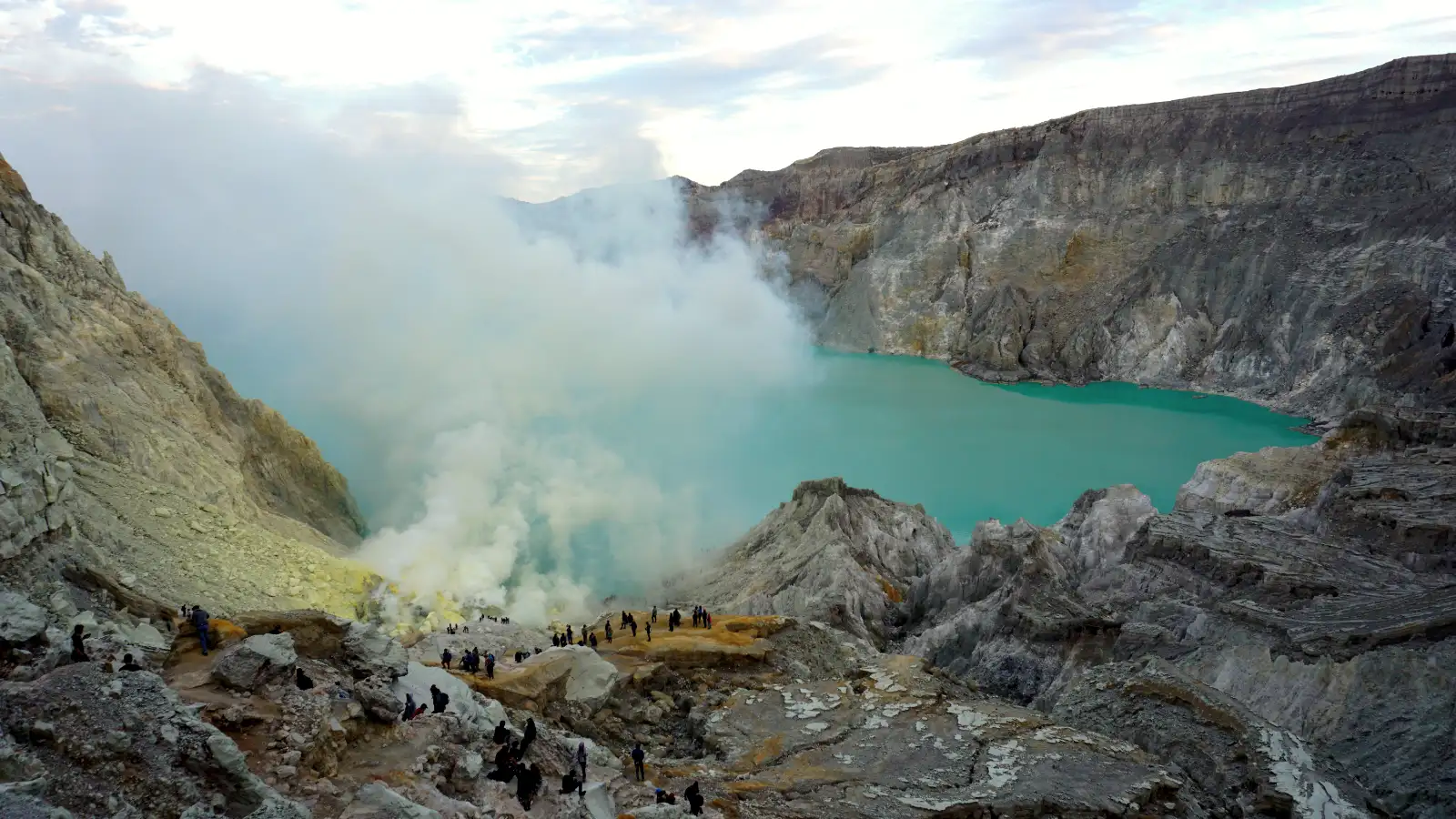
Specifically, Ijen Crater is a world-class geological wonder famous for its “Blue Fire,” which occurs when sulfuric gases ignite upon contact with the air. Moreover, it houses the world’s largest highly acidic crater lake, a stunning turquoise gem that reveals itself as the sun rises. Ultimately, this guide provides the insider knowledge required to conquer the climb and avoid the common pitfalls that plague many first-time visitors.
What You Need to Know
💡 Quick Snapshot: The hike takes approximately 1.5 to 2 hours to reach the rim, followed by a 30-minute descent into the crater for the Blue Fire. Furthermore, you must carry a professional gas mask due to the toxic sulfur fumes. To secure the best experience, we recommend you check current availability for local expert-led expeditions.
In This Guide
• Why Trust This Guide
• Preparing for the Midnight Ascent
• The Blue Fire Phenomenon
• Meeting the Sulfur Miners
• Essential Safety & Gear
• Frequently Asked Questions
Why Trust This Guide
First, our team consists of local experts who have summited Ijen Crater hundreds of times in all weather conditions. Because of this, we understand the shifting regulations and geological changes that most international blogs overlook. In addition, we prioritize sustainable tourism by supporting the local community and ensuring that our guides are paid fairly for their incredible expertise.
Furthermore, Ijen was recently designated as a UNESCO Global Geopark, highlighting its international significance. Consequently, we maintain a direct line of communication with the National Park authorities to provide you with the most accurate, real-time data. Moreover, our focus is on your safety and the preservation of this fragile volcanic ecosystem.
Ultimately, we believe that travel should be transformative rather than just a checklist. Therefore, we provide deep-dive context into the culture and geology of East Java, moving beyond basic surface-level tips. For instance, we explain how the local volcanic activity influences the visibility of the famous flames, giving you a realistic expectation of your adventure.
Preparing for the Midnight Ascent
To begin your journey, you will likely start from the base camp at Paltuding. Most hikers arrive here around 1:00 AM or 2:00 AM to begin the trek under a blanket of stars. Meanwhile, the temperature can drop as low as 5°C (41°F), requiring you to layer your clothing appropriately to stay warm while waiting for the gates to open.
The Trail Conditions and Difficulty
Specifically, the first two kilometers of the trail are the most demanding due to the steep incline on a sandy, volcanic path. However, the terrain eventually levels out as you approach the rim, providing a brief respite for your legs. In addition, many travelers choose to use the “local taxi” service—trolleys pushed by locals—if they find the incline too strenuous for their fitness level.
Moreover, the final stretch involves a rocky descent into the crater itself if you wish to see the Blue Fire up close. Because this section is narrow and slippery, you must exercise extreme caution and wear sturdy hiking boots. Consequently, we recommend reserving your local guide to help navigate these tricky sections safely in the dark.
Best Time to Visit for Maximum Visibility
Furthermore, timing is everything when planning your hike. The dry season, typically between April and October, offers the clearest skies and the most stable trail conditions. Nevertheless, the crater remains open year-round, though heavy rain can occasionally lead to temporary closures for safety reasons. For a deeper dive into climate patterns, check our guide on the best time to visit Ijen Crater.
🔥 Featured Expedition
Experience the magic of East Java with our top-rated guided trek, including professional gas masks and transport. Don’t leave your bucket-list adventure to chance!
The Blue Fire Phenomenon
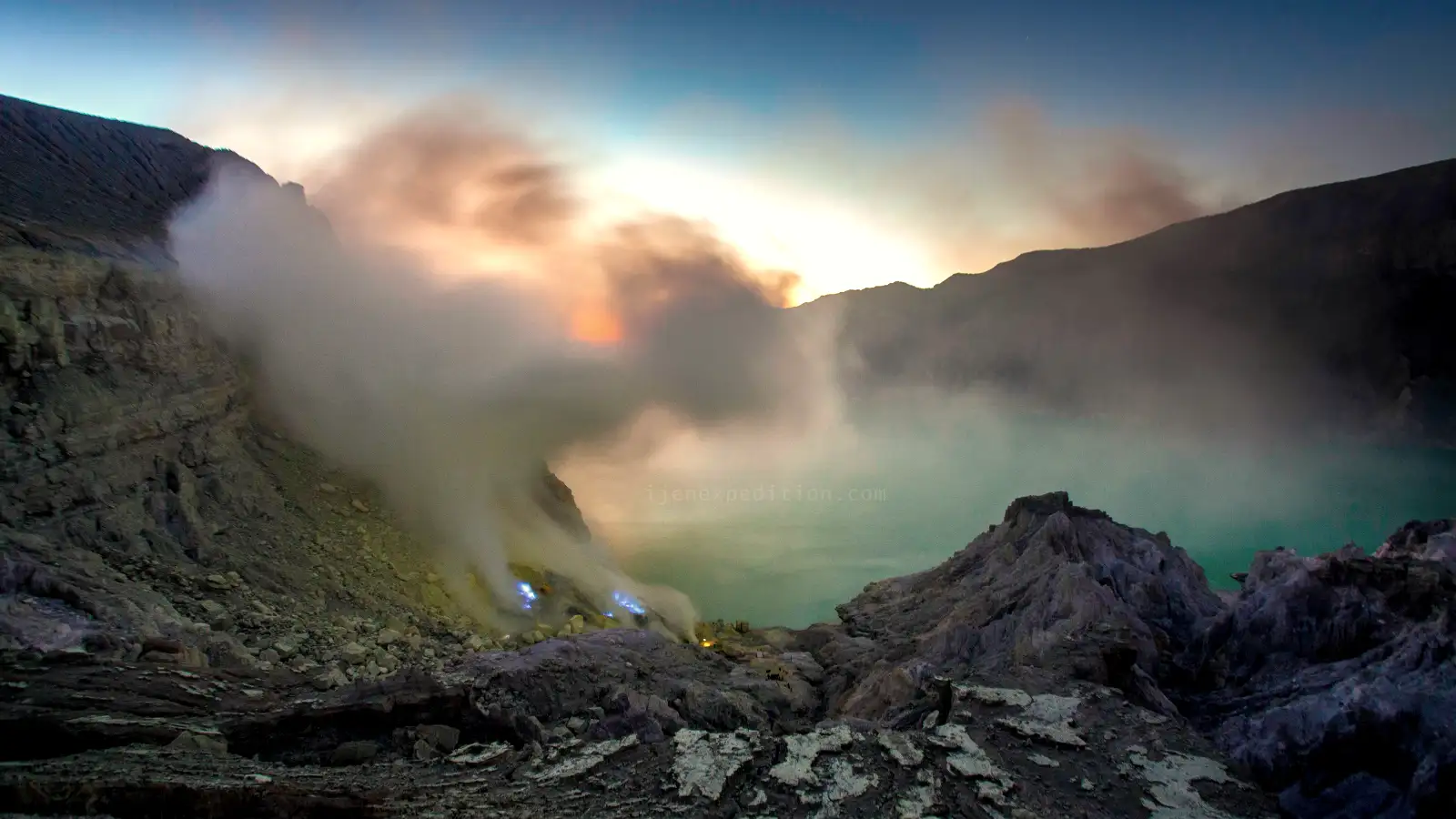
First, it is important to understand that the “Blue Fire” is not actually lava. Instead, it is the combustion of sulfuric gases that emerge from volcanic cracks at high pressure and temperatures up to 600°C. Therefore, when these gases meet the oxygen-rich air, they ignite into brilliant blue flames that can reach heights of up to five meters.
In addition, Ijen is one of only two places on Earth where this phenomenon is regularly visible, the other being in Iceland. However, the Ijen display is widely considered more consistent and accessible to the public. Moreover, the intensity of the blue glow is best viewed in total darkness, which is why the midnight start is absolutely non-negotiable for seekers of this light.
The Science of the Blue Glow
Specifically, the chemical reaction involves the oxidation of hydrogen sulfide and sulfur dioxide gases. Consequently, the resulting flames emit a distinct blue wavelength of light that is nearly invisible during the day. Furthermore, the sheer volume of sulfur being produced at Ijen makes the reaction significantly more dramatic than at other volcanic sites around the world.
Therefore, even if the flames are subdued during your visit, the surrounding landscape remains hauntingly beautiful. Meanwhile, the acidic lake at the bottom of the crater provides a stark, colorful contrast to the charred volcanic rock. Ultimately, seeing the science of the blue fire in person is a humbling experience for any nature lover.
Meeting the Sulfur Miners
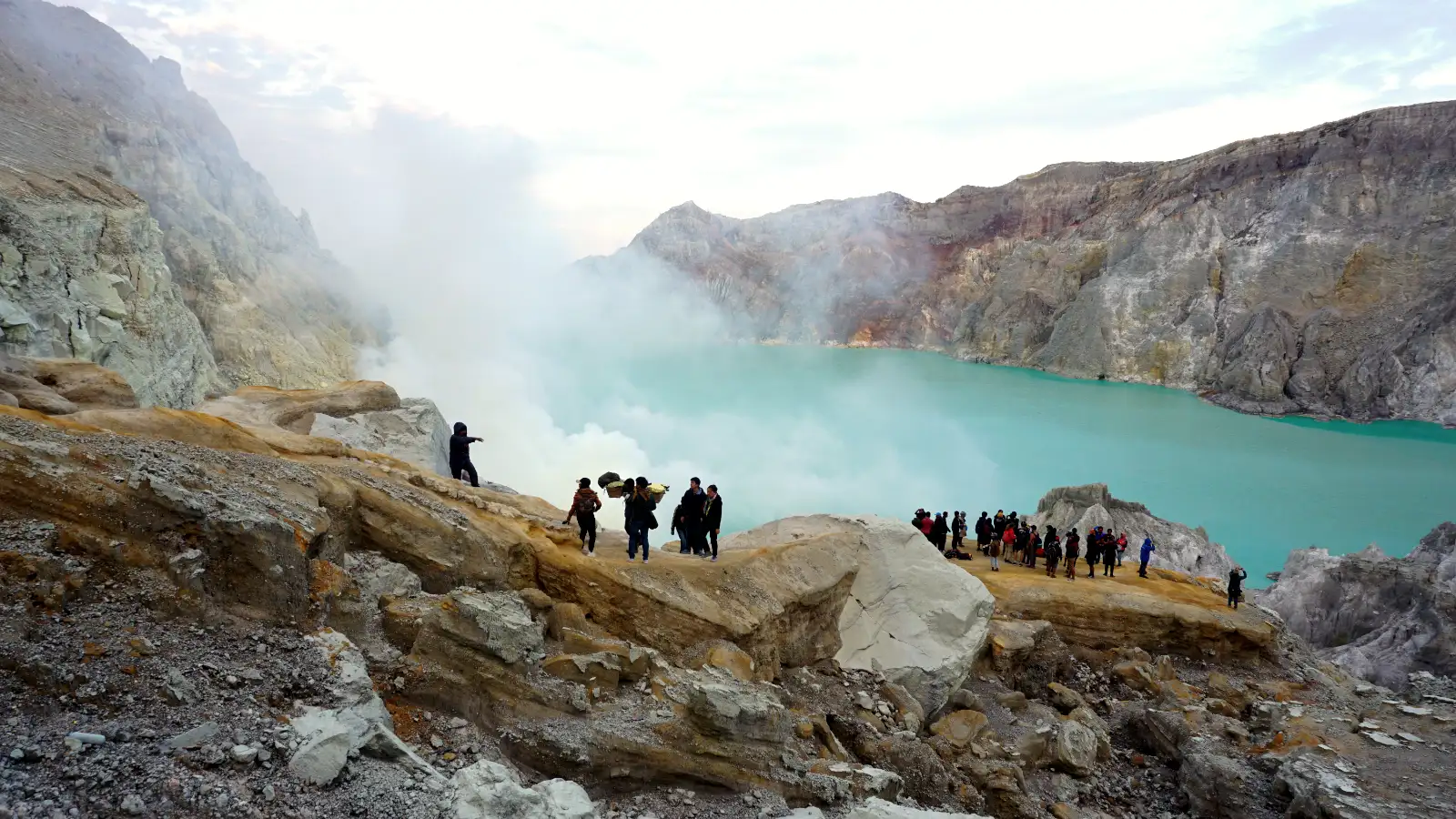
While the Blue Fire draws the crowds, the human story of Ijen is perhaps even more compelling. Specifically, dozens of local miners work in the crater every day, harvesting solid sulfur that has cooled around the volcanic vents. Moreover, these men carry bamboo baskets laden with 70 to 90 kilograms of sulfur up the steep crater walls and down the mountain twice a day.
In addition, their resilience in the face of such physically demanding work is truly staggering. Because they are constantly exposed to toxic fumes, many miners choose not to use gas masks, relying instead on wet cloths to breathe. Consequently, it is important for visitors to be respectful, yield the path to them, and consider buying small sulfur carvings to support their livelihood.
The Life of a Miner in East Java
Furthermore, these miners are part of a tight-knit community that has operated at Ijen for decades. Specifically, the sulfur they harvest is used in various industries, including sugar refining, rubber production, and cosmetics. However, the economic reality of their work is challenging, leading many to transition into guiding tourists to earn a more stable income.
Therefore, hiring a former miner as your guide is a fantastic way to give back to the local community. Not only will they keep you safe, but they will also share incredible stories about the mountain’s history. To learn more about their daily lives, you can read our feature on how much Ijen miners make.
Essential Safety & Gear
Safety must be your absolute priority when visiting an active volcano like Ijen. First, the sulfur gases can be extremely irritating to the eyes, nose, and lungs, even for healthy individuals. Therefore, wearing a high-quality respirator mask with a multi-gas filter is non-negotiable if you plan to descend into the crater floor.
In addition, the acidity of the crater lake is so high that it can dissolve metal and cause severe chemical burns. Specifically, the pH level of the water is near zero, making it one of the most acidic lakes on the planet. For more details on protecting yourself, please review the hazards of toxic sulfur gas before your trip.
Packing List for Success
Specifically, your packing list should include several layers of warm clothing, including a windproof jacket. Moreover, high-traction hiking shoes are essential for the loose volcanic soil found throughout the trail. In addition, don’t forget to pack a powerful headlamp with extra batteries, as your hands must be free for climbing in the dark.
Furthermore, we recommend bringing plenty of water and a few high-energy snacks like nuts or chocolate. Because the air is dry and the incline is steep, dehydration can set in quickly even in the cold mountain air. Ultimately, being well-prepared is the difference between an exhausting ordeal and a life-changing adventure. You can view our recommended gear list for more specialized advice.
Logistics and Pricing
| Expense Category | Estimated Cost (IDR) |
|---|---|
| Entrance Fee (Weekday) | 100,000 |
| Entrance Fee (Weekend) | 150,000 |
| Gas Mask Rental | 50,000 |
| Local Guide Service | 250,000 – 400,000 |
| Trolley Service (Round Trip) | 800,000 – 1,000,000 |
Specifically, the current entrance fees are managed by the BKSDA (Natural Resources Conservation Agency). Therefore, it is wise to see pricing details for complete tour packages that bundle these costs together. In addition, always ensure you have a valid health certificate from a local clinic, which is currently a mandatory requirement for climbing.
Continue Your Adventure
While Ijen Crater is a standalone masterpiece, many travelers choose to combine it with other volcanic wonders in East Java. For instance, you could head west to witness the smoky caldera of Mount Bromo or take a boat across the strait for an Ijen tour starting in Bali. If you are pressed for time, a day trip from Banyuwangi is the most efficient option. For those seeking the ultimate Java experience, our 3-day Bromo-Ijen combo is a fan favorite. Alternatively, if you prefer a social vibe, join our Blue Fire sharing tour to meet like-minded explorers.
Frequently Asked Questions
Q: Is the Ijen Crater hike suitable for beginners?
A: Yes, as long as you have a moderate level of fitness. Specifically, the incline is steep, but the path is well-maintained. We recommend you book your midnight trek with a guide to ensure you can pace yourself correctly.
Q: Do I really need a gas mask?
A: Absolutely. Specifically, the sulfur fumes can shift with the wind and become overwhelming in seconds. Consequently, a mask is mandatory for safety and comfort near the vents.
Q: What time does the Blue Fire disappear?
A: Generally, the flames become invisible once the sun begins to rise around 5:00 AM. Therefore, you must be inside the crater floor before dawn to witness them.
Q: Can I visit Ijen Crater without a tour?
A: While it is possible to go DIY, navigating the transport and mandatory health permits alone can be stressful. Most travelers find that a guided tour is more cost-effective and safer.
Q: Is Ijen Crater safe during volcanic activity?
A: The park authorities monitor seismic activity 24/7. Specifically, they will close the crater rim or the entire park if safety levels are compromised. We always follow official government directives.
Ready to Witness the Blue Fire?
Don’t leave your Indonesian adventure to chance. Join the experts for a safe, immersive, and unforgettable journey into the heart of Mount Ijen.